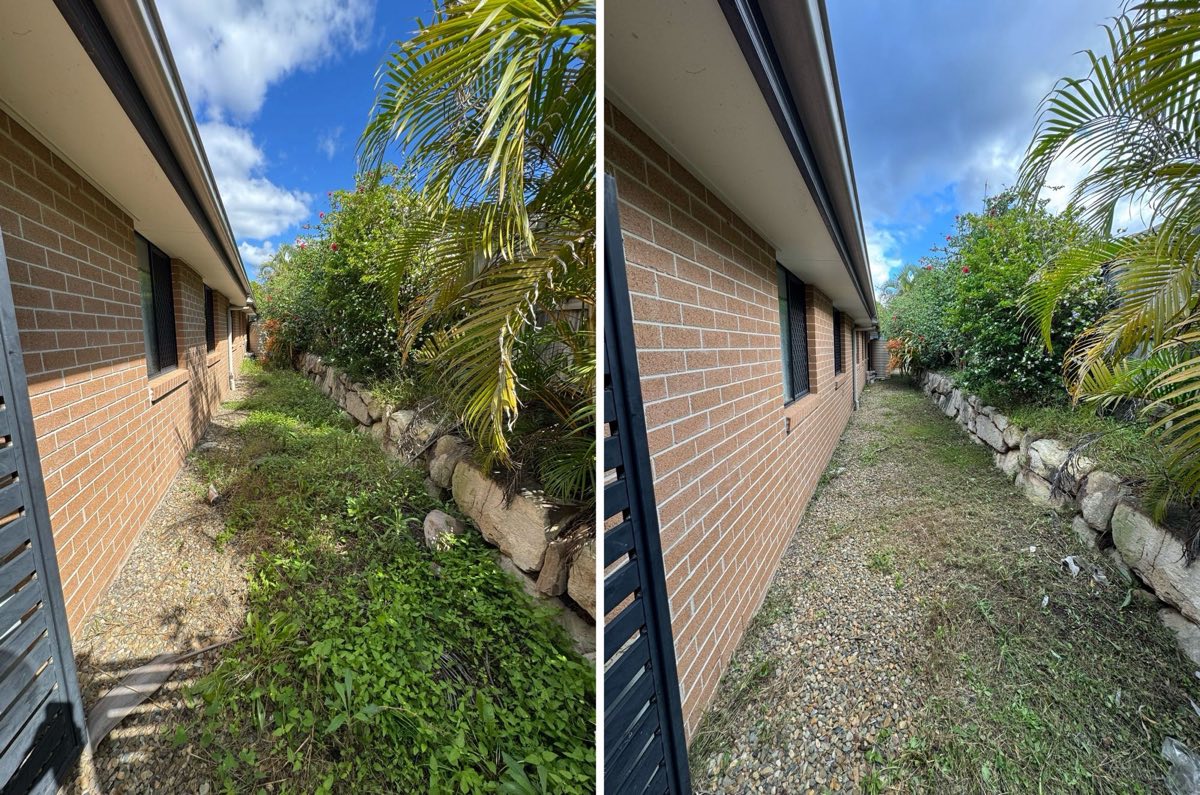
Plant care and maintenance
Professional plant care and maintenance for existing gardens including pruning, feeding, and health management.
Professional plant care and maintenance
Our plant care service keeps your existing plants healthy and thriving. We look after established gardens with pruning, feeding, pest management and general plant health care. The aim is simple: your garden keeps flourishing through the year. We work across Logan City and nearby suburbs.
What plant care gives you
Plant care benefits
- ✓ Professional plant health assessment
- ✓ Correct pruning and care techniques
- ✓ Specialist care for native species
- ✓ Ongoing soil improvement and nutrition
- ✓ Early problem identification and treatment
Our maintenance approach
- ✓ Regular plant health monitoring
- ✓ Seasonal care adjustments
- ✓ Organic feeding programs
- ✓ Sustainable maintenance methods
- ✓ Ongoing care recommendations
Plant care by type
Native Australian plant care
Care matched to indigenous species and their needs.
- ✓ Grevillea and banksia pruning
- ✓ Eucalyptus and melaleuca care
- ✓ Native grass management
- ✓ Acacia and hakea maintenance
- ✓ Ground cover care and rejuvenation
Tree and large shrub maintenance
Care for established trees and large shrubs, including pruning and health checks.
- ✓ Shade tree pruning and care
- ✓ Privacy screen maintenance
- ✓ Feature tree health management
- ✓ Large shrub pruning and shaping
- ✓ Windbreak maintenance
Flowering plants
Seasonal colour and pollinator-friendly species.
- ✓ Perennial flowering plants
- ✓ Seasonal annuals
- ✓ Bulbs and corms
- ✓ Pollinator-attracting species
- ✓ Fragrant garden plants
Ground covers
Low-maintenance plants for coverage and erosion control.
- ✓ Dense coverage species
- ✓ Slope stabilisation plants
- ✓ Drought-tolerant varieties
- ✓ Shade-tolerant ground covers
- ✓ Living mulch alternatives
Productive plants
Edible and useful plants for sustainable living.
- ✓ Fruit trees and berry bushes
- ✓ Herb gardens
- ✓ Vegetable garden plantings
- ✓ Native food plants
- ✓ Companion planting systems
Grasses and sedges
Texture and movement with water-wise grass species.
- ✓ Ornamental native grasses
- ✓ Wetland and bog plants
- ✓ Drought-tolerant varieties
- ✓ Feature grass specimens
- ✓ Lawn alternatives
Professional plant health assessment
Our systematic approach to plant care
Health evaluation
- ✓ Plant health and vitality assessment
- ✓ Pest and disease identification
- ✓ Nutritional deficiency evaluation
- ✓ Growth pattern assessment
- ✓ Environmental stress indicators
Care planning
- ✓ Pruning requirements and timing
- ✓ Fertilising and feeding schedules
- ✓ Watering and mulching needs
- ✓ Seasonal care adjustments
- ✓ Long-term maintenance planning
Australian climate zone planting guide
The right plant choice depends on your climate. This guide outlines what each Australian zone calls for, so plant selection and care suit local conditions.
Tropical zones
Northern Queensland, Northern Territory
- ✓ Heat and humidity tolerant species
- ✓ Monsoon-adapted plants
- ✓ Year-round growing season
- ✓ Pest and disease considerations
- ✓ Rapid-growth species selection
Arid and semi-arid
Central Australia, western regions
- ✓ Extreme drought tolerance is essential
- ✓ Heat and wind resistant varieties
- ✓ Low water requirement species
- ✓ Soil salinity considerations
- ✓ Native desert adaptations
Temperate zones
Southern Australia, coastal regions
- ✓ Four distinct seasons
- ✓ Moderate rainfall patterns
- ✓ Cool-season growth opportunities
- ✓ Frost tolerance requirements
- ✓ Mediterranean climate adaptations
Cool temperate
Tasmania, alpine regions
- ✓ Cold tolerance is essential
- ✓ Snow and frost adaptations
- ✓ Short growing seasons
- ✓ Wind protection needs
- ✓ Alpine and cool-climate species
Coastal zones
All coastal regions of Australia
- ✓ Salt and wind tolerance
- ✓ Sandy soil adaptations
- ✓ Erosion control species
- ✓ Maritime climate conditions
- ✓ Coastal native communities
Mountain regions
Great Dividing Range, Snowy Mountains
- ✓ High-altitude adaptations
- ✓ Extreme weather tolerance
- ✓ Rocky soil conditions
- ✓ Snow load considerations
- ✓ Alpine plant communities
Our plant care process
Comprehensive plant assessment
We evaluate plant health, growth patterns and the conditions affecting your plants.
Care plan development
We set a maintenance schedule with pruning, feeding and treatment suited to each plant type.
Soil health improvement
We assess your soil and improve it by adding organic matter and managing nutrition.
Professional maintenance
We prune, feed and care for plants at the right time to support health and vitality.
Ongoing monitoring
We review and adjust each care program so your plants and garden keep thriving.
Australian seasonal plant care calendar
Spring
September to November
- ✓ Warm-season species
- ✓ Fast-growing annuals
- ✓ Frost-tender plants
- ✓ Vegetable garden establishment
- ✓ Pre-summer installation
Summer
December to February
- ✓ Limited planting period
- ✓ Drought-tolerant species only
- ✓ Container plants preferred
- ✓ Intensive watering required
- ✓ Heat-loving tropicals
Autumn
March to May
- ✓ Best planting season
- ✓ Cool-season species
- ✓ Tree and shrub planting
- ✓ Native plant communities
- ✓ Establishment before winter
Winter
June to August
- ✓ Cool-climate regions only
- ✓ Bare-root plant season
- ✓ Deciduous tree planting
- ✓ Minimal growth period
- ✓ Planning and preparation
Ongoing plant health and maintenance
Year-round care
Watering program
- ✓ Deep, infrequent watering
- ✓ Daily monitoring in the first month
- ✓ Gradual reduction in frequency
- ✓ Root zone focus
- ✓ Seasonal adjustment
Growth support
- ✓ Mulching for moisture retention
- ✓ Staking tall plants if needed
- ✓ Protection from wind and pests
- ✓ Light fertilising program
- ✓ Pruning for shape development
Monitoring tasks
- ✓ Weekly health assessment
- ✓ Pest and disease watch
- ✓ Growth rate evaluation
- ✓ Stress indicator identification
- ✓ Adjustment recommendations
Environmental benefits of professional planting
Native ecosystem support
Native plants provide habitat and food for local wildlife and beneficial insects.
Water conservation
Climate-appropriate species use less water and support sustainable gardening.
Carbon storage
Trees and plants capture atmospheric carbon and help reduce climate impact.
The tools we use
We use commercial electric Kress hand tools for regular plant care, so the work stays quiet and produces no on-site emissions. For overgrown or large acreage jobs we bring a petrol Bobcat zero-turn mower with a 36-inch deck, used only where electric tools cannot cope.
We work in set service windows: 8 to 10am, 10am to 12pm, 12 to 2pm, and 2 to 4pm. We cannot give an exact arrival time, but we finish the work within your chosen day and window.
"I highly recommend this business. Matt is an excellent communicator and had our quote and job done efficiently. There was no stuffing around, he was straight to the job, got the work done and was finished."
Ready to keep your garden healthy?
Contact Matthew Sweet for a free, no-obligation quote. We respond within 2 hours.
Garden Maintenance
Get in touch
Matthew Sweet – Director, EcoMow Sustainable Gardening
Loading transformations…
Other Garden Maintenance services
Plant Pruning
Expert pruning of shrubs, bushes, and small trees for optimal plant health.
Learn more →Garden Mulching
Professional mulch application for moisture retention and weed suppression.
Learn more →Seasonal Garden Cleanup
Comprehensive seasonal garden preparation and maintenance services.
Learn more →